

TL;DR:
- ADUs are streamlined and quickly approved structures that enhance property value and flexibility.
- They offer diverse uses such as rental income, multigenerational living, and home offices.
- Building an ADU in LA involves a simple permit process that minimizes costs and construction time.
Los Angeles homeowners face a real challenge: property prices keep climbing, housing for family members is tight, and the demand for flexible living arrangements grows every year. Accessory Dwelling Units, or ADUs, have emerged as one of the most practical and financially sound responses to these pressures. From creating rental income to housing an aging parent, the right ADU can transform how you use your property. The city's ministerial approval process for ADUs means no discretionary hearings or neighborhood objections, making them faster and more predictable to build than most homeowners expect.
Table of Contents
- ADUs explained: What makes them unique?
- Key financial advantages: Value, income, and ROI
- Flexibility and sustainable living: Room for family and beyond
- Navigating LA's ADU process: Permitting, obstacles, and solutions
- Our take: Why most homeowners underestimate ADU advantages
- Find your perfect ADU solution with FO Studio
- Frequently asked questions
Key Takeaways
| Point | Details |
|---|---|
| Streamlined permitting | Los Angeles makes building an ADU easy with fast approvals and minimal fees under 750 sq ft. |
| Boosted property value | ADUs increase resale and rental appeal even if assessed value gains vary. |
| Flexible living options | ADUs can house family, generate income, or provide extra workspace, adapting to your needs. |
| Strong investment return | Garage ADUs offer lower upfront costs with high ROI compared to major remodels. |
ADUs explained: What makes them unique?
An Accessory Dwelling Unit is a self-contained residential unit built on the same lot as a primary home. They come in several forms: detached structures in the backyard, attached additions to the main house, converted garages, or junior ADUs (JADUs) carved out of existing interior space. Each type carries its own cost profile and design flexibility, but all of them share one critical advantage in Los Angeles: streamlined permitting.
Los Angeles treats ADU applications through ministerial review, meaning the city evaluates your plans against objective standards only. There is no public hearing, no discretionary judgment, and no neighbor veto. Key city standards include:
- No impact fees for ADUs under 750 square feet
- Up to 1,200 square feet allowed for detached ADUs
- 60-day approval window once a complete application is submitted
- No parking requirement if the property is within half a mile of public transit
- One ADU plus one JADU permitted per single-family lot
These rules make ADUs far more accessible than most homeowners realize. If you want to understand why build an ADU from a broader perspective, the combination of legal simplicity and financial upside is hard to ignore. For a closer look at how the approval process unfolds, the ADU plan check process guide walks through each submission stage in detail.
Pro Tip: Garage conversions are typically the fastest and most affordable entry point for ADU construction. Because the structural shell already exists, design and permit timelines shrink considerably compared to a new detached build.
Key financial advantages: Value, income, and ROI
Now that you know what makes ADUs unique, let's dig into their powerful financial upsides.
ADUs add property value through two main mechanisms: the sales comparison approach (comparable ADU properties sell for more) and the income approach (rental income increases the assessed income potential of your property). However, appraisal increases can vary by neighborhood, and not every market sees an immediate jump in assessed value. What is consistent is buyer interest. Homes with permitted ADUs attract a broader pool of buyers, particularly those thinking about rental offset or multigenerational living.
Here is a quick comparison of ADUs versus traditional remodels for value-add purposes:
| Investment type | Typical cost | Income potential | Resale appeal |
|---|---|---|---|
| Garage conversion ADU | $100,000-$180,000 | High (rentable unit) | Very high |
| Detached new build ADU | $200,000-$350,000+ | Very high | Very high |
| Kitchen remodel | $50,000-$120,000 | None | Moderate |
| Primary bedroom addition | $80,000-$150,000 | None | Moderate |
Garage conversions, in particular, offer a lower cost entry point at $100,000-$180,000, making them the go-to option for homeowners who want solid ROI without a full new build.
To calculate your potential ROI, follow these steps:
- Estimate total project cost including design, permits, and construction.
- Research local rental rates for comparable units in your neighborhood.
- Multiply monthly rent by 12 to get your annual gross income.
- Subtract operating costs (maintenance, insurance, vacancy buffer).
- Divide net annual income by total project cost to get your annual ROI percentage.
Want to see how LA homeowners are doing this in practice? Our blog on how to maximize value and income from ADU projects covers real project outcomes and financial breakdowns.
Flexibility and sustainable living: Room for family and beyond
Beyond financial returns, ADUs shine as versatile spaces that adapt to your household and community needs.
Many homeowners initially build an ADU for one purpose, then find it serves several others over time. Common uses include:
- Multigenerational living: House aging parents or adult children close by while maintaining privacy for everyone.
- Caregiver housing: Provide on-site accommodation for a nurse or aide without hotel or facility costs.
- Home office or studio: Create a dedicated, separate workspace free from household distractions.
- Short or long-term rental: Generate consistent monthly income from a legal, permitted unit.
- Guest suite: Host visitors without rearranging your primary living space.
The aging-in-place angle deserves particular attention. As healthcare costs rise and assisted living facilities remain expensive, having a parent or grandparent nearby in a purpose-built ADU is both practical and emotionally meaningful. The unit can be designed with accessibility features from day one, saving costly retrofits later.
"Homes with ADUs consistently attract buyers who value flexibility. Whether they plan to rent, house family, or simply future-proof their investment, the presence of a permitted ADU signals adaptability in a city where living needs change fast." — Realtor.com on ADU market appeal
From a sustainability standpoint, ADUs support infill housing. Instead of expanding urban sprawl, they add density where infrastructure already exists. Transit-oriented locations benefit most, as residents can reduce car dependency. Explore innovative ADU design concepts to see how thoughtful design can maximize a small footprint without sacrificing comfort. Before breaking ground, reviewing an ADU design checklist ensures you account for every detail early.
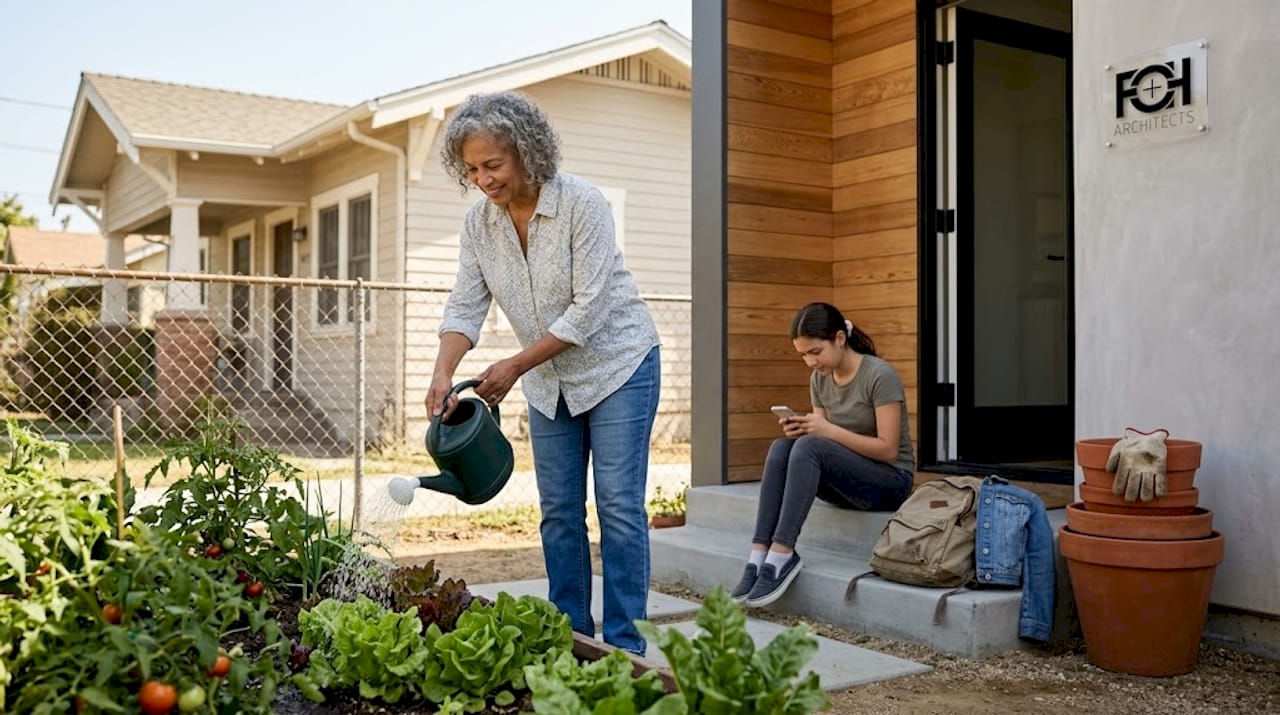
Pro Tip: Modular ADU designs are gaining traction in LA because factory-built components reduce on-site construction time and minimize site disruption. For tight lots or complex terrain, modular can be a smart path forward.
Navigating LA's ADU process: Permitting, obstacles, and solutions
To take full advantage of ADU benefits, you need a plan to navigate LA's permitting landscape confidently.
The city's ministerial ADU process is designed to be straightforward, but understanding the timeline and fee structure upfront saves significant stress. Here is what a typical permit journey looks like:
| Step | Action required | Typical timeframe | City fee (approx.) |
|---|---|---|---|
| Pre-application | Feasibility check, lot research | 1-2 weeks | None |
| Plan preparation | Architectural drawings, Title 24 energy docs | 4-8 weeks | None |
| Plan check submission | Upload to LADBS portal | Day 1 | $1,500-$4,000 |
| City review period | Ministerial review, corrections | Up to 60 days | Included |
| Permit issuance | Pick up or download permit | Day 60 or sooner | Varies by size |
| Inspections | Framing, electrical, final | During construction | Included |
Common obstacles homeowners encounter include setback requirements (the minimum distance from property lines), utility connections for water and sewer, and inspection scheduling delays. Here is how to address each:
- Confirm setbacks early. Review your lot's zoning designation and measure actual distances before finalizing your design footprint.
- Engage a licensed contractor for utilities. Sewer and water capacity checks often reveal surprises. Get this assessed before plan check.
- Schedule inspections in advance. LADBS inspection windows fill fast. Book as soon as each phase is complete.
- Respond to plan check corrections promptly. Delays in responding reset your queue position.
- Work with an experienced ADU designer. A firm that knows LADBS requirements reduces back-and-forth corrections significantly.
For a step-by-step breakdown of each submission phase, the ADU plan check guide is one of the clearest resources available for LA homeowners in 2026.
Our take: Why most homeowners underestimate ADU advantages
Having mapped out the process, here's a candid perspective on the true long-term value of ADUs in Los Angeles.
In our experience, the homeowners who get the most from an ADU are not necessarily the ones chasing the highest monthly rent. They are the ones who treat the ADU as a long-term asset with multiple potential roles. Conventional wisdom fixates on short-term ROI: will this rent cover the mortgage? That is a reasonable question, but it misses the bigger picture.
The real value lies in futureproofing. Los Angeles is in a sustained housing shortage, and the trajectory of the market strongly favors properties that offer flexibility. A permitted ADU increases your home's appeal to next-generation buyers who expect multifunctionality. It also gives you options you cannot predict today: a child who returns home, a parent who needs care, a renter who helps you weather an economic dip.
We also see homeowners underestimate the urban renewal impact. Every infill ADU built on an existing residential lot contributes to a denser, more walkable city without displacing anyone. That aligns with where LA's housing policy is heading. Understanding the full scope of property value and flexibility advantages helps homeowners make decisions they will not regret a decade from now.
Find your perfect ADU solution with FO Studio
Ready to translate these advantages into reality? Here's where to start your ADU journey.
At FO Studio, we specialize in ADU design for Los Angeles homeowners who want thoughtful, functional spaces that work for their families and their financial goals. Whether you are exploring a garage conversion or a custom detached unit, our team guides you from feasibility through permit approval.
Browse our ready-to-build ADU plans and designs to find a solution sized for your lot and lifestyle. Our popular Blue ADU design is a client favorite for its clean lines, efficient layout, and flexible interior configuration. If you prefer a tailored approach, connect with our team for a personalized feasibility consultation. We make the process clear and manageable from day one.
Frequently asked questions
What is the average cost to build an ADU in Los Angeles?
Garage conversions typically cost between $100,000 and $180,000, offering the most accessible entry point, while custom detached new builds can run $200,000 or higher depending on size and finishes.
How fast can I get an ADU permit in LA?
Los Angeles provides 60-day ministerial approval for ADUs that meet city standards, meaning your permit timeline is predictable once you submit a complete and code-compliant application.
Do ADUs always increase property value?
ADUs consistently boost market appeal and buyer interest, though the formal appraisal increase varies by neighborhood and the appraiser's methodology.
Can I rent out my ADU in Los Angeles?
Yes, renting out a permitted ADU is fully legal in Los Angeles and is one of the most popular reasons homeowners build them, with rental income potential that can significantly offset construction costs over time.