

Los Angeles homeowners face a unique challenge: creating spaces that feel deeply personal while standing up to a demanding climate, strict local codes, and a fast-moving design landscape. 2026 home design trends point toward warm earth tones, natural materials, layered interiors, and seamless indoor-outdoor flow as the defining directions for the year. The good news is that these trends align naturally with what LA living already demands. This article walks you through a practical framework for evaluating design ideas, selecting materials, and personalizing your home in ways that reflect both your lifestyle and your community values.
Table of Contents
- Criteria for selecting home design ideas in Los Angeles
- Warm earth tones and natural materials: Trending palettes for LA
- Personalized upgrades: Custom millwork, art, and no-demolition features
- Integrating indoor-outdoor living: Seamless transitions and sustainable choices
- Our perspective: What most miss about LA home design in 2026
- Next steps: Transform your LA home with expert-designed plans
- Frequently asked questions
Key Takeaways
| Point | Details |
|---|---|
| Local criteria first | LA homeowners should evaluate design options based on climate, community, and resilience before following trends. |
| Personalization matters | Custom finishes and art can transform spaces without needing costly or disruptive renovations. |
| Indoor-outdoor flow | Integrating interior and exterior spaces boosts comfort and celebrates LA’s climate. |
| Sustainable upgrades | Choosing sustainable materials like reclaimed wood and drought-tolerant plants ensures homes remain eco-friendly. |
| Fire-resilient design | Use non-combustible materials like stucco and metal to increase safety in LA homes. |
Criteria for selecting home design ideas in Los Angeles
Before you commit to any design direction, it helps to run each idea through a set of locally relevant criteria. What works beautifully in a New England farmhouse may fall flat, or even fail inspection, in a Los Angeles neighborhood. We always advise our clients to think through five core filters before selecting any upgrade or renovation path.
Here are the key criteria every LA homeowner should apply:
- Climate-conscious material selection: LA's heat, sun exposure, and wildfire risk mean that materials need to perform, not just look good. Prioritize options that resist UV degradation, manage thermal mass, and comply with fire-resistant construction requirements.
- Regulatory readiness: Los Angeles has specific building codes covering seismic safety, fire zones, energy efficiency (Title 24), and ADU regulations. Any design idea needs to be evaluated against these requirements early, before money is spent on plans or permits.
- Personalization around your lifestyle: The best design decisions come from honest conversations about how you actually use your home. Do you cook for large groups? Work from home? Host extended family? Your layout should answer those questions first.
- Indoor-outdoor integration: As indoor-outdoor design in LA homes shows, prioritizing the flow between interior and exterior spaces reflects both the local climate and community values like sustainability and togetherness.
- Community reflection: Thoughtful design acknowledges the neighborhood it sits within. Scale, material choices, and even color palettes can either connect your home to its surroundings or create unnecessary friction with neighbors and local review boards.
Pro Tip: Before finalizing any design direction, review your parcel's fire hazard severity zone classification. It directly affects which materials and construction methods are permitted, and it can shape your entire project scope.
For a deeper look at how these principles apply in practice, our architecture tips for LA homes cover the regulatory and design considerations that matter most in this region. If sustainability is a priority for you, our work on sustainable community homes offers a broader view of how design can serve both households and neighborhoods.
Warm earth tones and natural materials: Trending palettes for LA
With your evaluation criteria in place, it is time to look at the specific palettes and materials that are defining LA interiors right now. 2026 design trends emphasize warm earth tones and natural materials as the dominant direction, and for good reason. These choices create spaces that feel grounded, comfortable, and timeless rather than trendy.
The most effective color palettes for LA homes this year include:
- Terracotta and ochre: These warm, clay-based tones connect interiors to the region's Spanish Colonial and Mission architectural heritage. They work well on accent walls, tile, and cabinetry.
- Sand beige and warm white: Lighter neutrals that reflect heat and create an airy, open feeling, particularly useful in smaller rooms or spaces with limited natural light.
- Deep greens and muted olive: These tones bring the outdoors in and pair naturally with wood and stone finishes. They are especially effective in kitchens and bathrooms.
On the materials side, the strongest choices for LA homes right now are stone, reclaimed wood, cork, and rattan. Stone adds thermal mass, which helps regulate interior temperatures naturally. Reclaimed wood brings character and reduces the environmental footprint of a renovation. Cork is an underused option that offers both acoustic and thermal insulation. Rattan and woven textures add warmth without visual weight.
"Earth tones and natural materials do more than create a warm aesthetic. They support energy efficiency by managing heat absorption and reducing the need for mechanical cooling, which matters in a city with as many sunny days as Los Angeles."
Blending these materials with an existing interior does not require a full renovation. Start with textiles, then move to surfaces, and finally to structural finishes. This layered approach lets you test the palette before committing to larger investments. Our modern architecture tips include practical guidance on sequencing material upgrades without disrupting your daily life.
Personalized upgrades: Custom millwork, art, and no-demolition features
One of the most common misconceptions we hear from homeowners is that meaningful personalization requires tearing walls down. It does not. Personalization around client art and lifestyle through no-demolition upgrades, custom millwork, and 3D planning can transform a space without a single load-bearing change.
Here are four practical approaches to personalizing your LA home with minimal disruption:
- Custom millwork: Built-in shelving, cabinetry, and window seats add both function and character. Millwork can be designed to frame a view, define a zone within an open floor plan, or simply replace generic builder-grade finishes with something that feels intentional.
- Dedicated art walls and display systems: Rather than hanging art randomly, design a wall specifically to hold and rotate pieces. This can be as simple as a continuous picture rail or as involved as integrated lighting and custom backing materials.
- 3D planning before construction: Using 3D visualization tools, you can see exactly how a proposed upgrade will look in your actual space before any work begins. This prevents costly surprises and gives you confidence in your decisions.
- Surface and joinery upgrades: New countertops, door hardware, trim profiles, and cabinet faces can dramatically change the feel of a room without touching the structure. These are high-impact, low-disruption changes that deliver strong visual results.
Pro Tip: Repurposing meaningful objects, such as a family heirloom, a piece of local art, or a material from a previous home, into a built-in display or custom feature creates a design statement that no catalog item can replicate.
For ideas on how personalization can extend to accessory dwelling units, visit our ADU design work. And if you want to understand how layout decisions affect personalization outcomes, our guide to optimizing home layouts is a useful starting point.
Integrating indoor-outdoor living: Seamless transitions and sustainable choices
LA's climate is one of the strongest arguments for investing in indoor-outdoor integration. Seamless indoor-outdoor flow reflects both the local lifestyle and community values around sustainability and shared space. Done well, it effectively expands your usable square footage without adding to your building footprint.
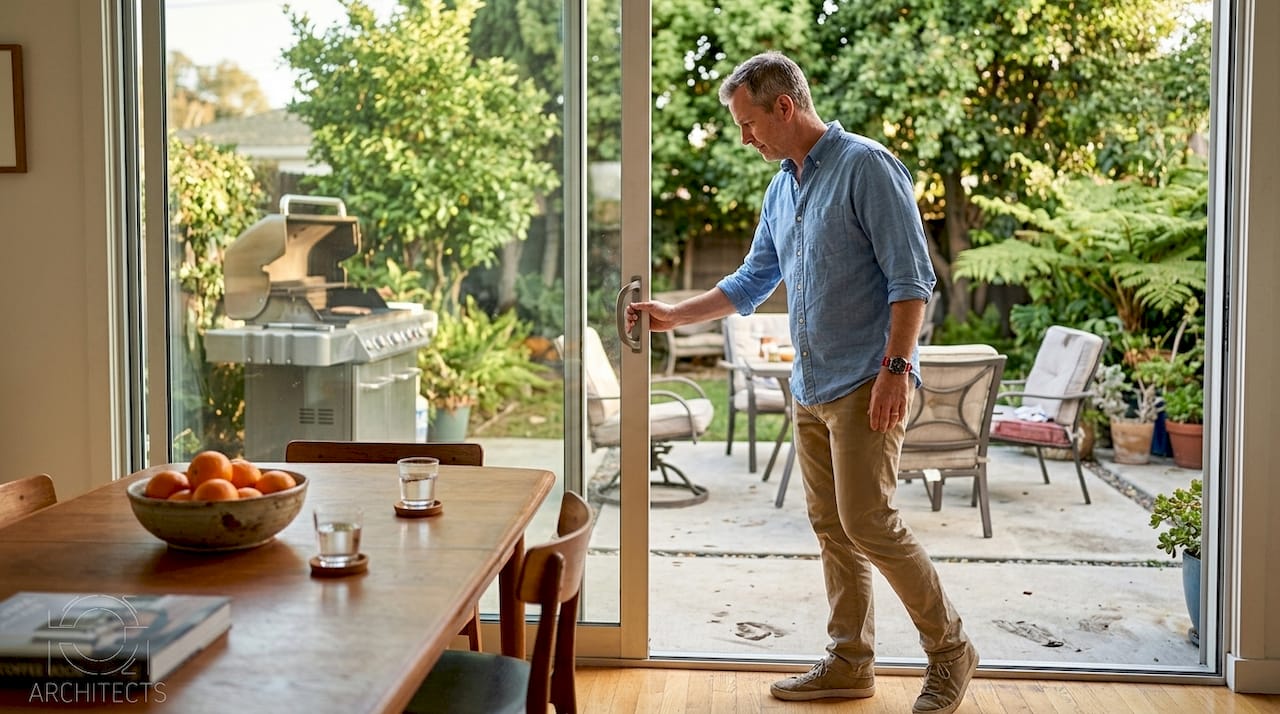
Here is a comparison of classic versus modern approaches to indoor-outdoor integration:
| Feature | Classic approach | Modern approach |
|---|---|---|
| Door type | Standard hinged patio door | Folding or sliding glass wall system |
| Flooring transition | Step down to patio | Flush threshold, continuous material |
| Landscaping | Decorative only | Drought-tolerant, fire-resistant planting |
| Shade and cover | Fixed pergola or awning | Adjustable louvers or retractable systems |
| Lighting | Separate indoor and outdoor circuits | Integrated, programmable zones |
For sustainable outdoor features, consider these additions:
- Solar panels or solar-ready conduit runs for future installation
- Drought-tolerant native planting that reduces water use and fire risk
- Reclaimed wood decking or composite materials that resist weathering
- Permeable paving to manage stormwater on site
On the structural side, materials like stucco, metal cladding, and fiber cement composites offer fire and seismic resilience while supporting a clean, modern aesthetic. These are not just style choices. In many LA fire hazard zones, they are requirements. Our work on community architecture in LA explores how these material decisions serve both individual homeowners and the broader neighborhood.
If you are considering an ADU as part of your indoor-outdoor strategy, our Spanish ADU design and Orange ADU plans both incorporate strong indoor-outdoor transitions suited to the LA climate.
Our perspective: What most miss about LA home design in 2026
Here is something we see repeatedly: homeowners invest heavily in aesthetics and then discover, mid-project, that their chosen materials are not code-compliant or that their layout conflicts with seismic bracing requirements. The result is expensive redesigns and delayed timelines.
The real differentiator in LA home design is not which trend you follow. It is how early you bring the full team together. Engaging your design and compliance team early for LA regulations, fire resilience, and seismic requirements prevents the most common and costly mistakes.
In our experience, the homes that hold their value and genuinely serve their owners are the ones designed around real life, not around a mood board. That means honest conversations about how you use space, which community connections matter to you, and what climate stresses your home needs to handle. Trends like earth tones and indoor-outdoor flow are genuinely useful, but only when they are applied within a framework of regulatory compliance and structural integrity.
Our guide to optimizing home layouts reflects this philosophy directly. Good design starts with function, community, and resilience, and then becomes beautiful.
Next steps: Transform your LA home with expert-designed plans
If this article has given you a clearer picture of what your next project could look like, the next step is connecting with resources built specifically for LA homeowners.
At FO+H Architects, we offer plans and consulting services designed around the real conditions of Los Angeles living. Whether you are looking for a fire-resilient ADU, a custom residential design, or a starting point for a larger renovation, our ADU store has options ready to review. Explore our Gold ADU plans for a premium starting point, or check out our anti-fire home design for properties in high-risk zones. We are here to help you move from inspiration to a plan that works.
Frequently asked questions
What are the top home design trends for Los Angeles in 2026?
Warm earth tones, layered interiors, sustainable materials, and seamless indoor-outdoor flow are the leading directions for LA homes this year.
How can homeowners personalize their LA homes without major demolition?
No-demolition upgrades such as custom millwork, art display systems, surface replacements, and 3D-planned joinery allow significant personalization without structural changes.
What makes indoor-outdoor integration important for LA homes?
It expands usable living space, takes full advantage of LA's mild climate, and supports community values like sustainability and shared outdoor living.
What materials are recommended for fire or earthquake resilience?
Stucco, metal cladding, and fiber cement composites are widely recommended for LA homes in fire hazard and seismic zones due to their durability and code compliance.