

TL;DR:
- Modern LA home trends in 2026 emphasize indoor-outdoor integration, sustainable materials, and flexible spaces.
- Prioritize functional, long-lasting upgrades that enhance daily life and resale value over fleeting trends.
- Collaborate with local designers to ensure design choices suit your neighborhood, lifestyle, and regulatory requirements.
Updating your Los Angeles home in 2026 means navigating a crowded field of design trends, each promising to transform how you live. But modern home design in LA is about more than aesthetics. It's about how well your space supports your daily routine, reflects your community values, and performs in Southern California's unique climate. Many homeowners feel overwhelmed sorting through trend lists that lack local context or practical guidance. This article gives you a curated, locally grounded look at the trends that genuinely matter, along with a clear framework for deciding which ones belong in your home.
Table of Contents
- How to evaluate modern design trends for your LA home
- The top 5 modern home design trends for LA in 2026
- Comparing trend impact: Function, resale value, and cost
- Choosing what's right for your home and community
- The hidden costs and surprises of chasing trends in Los Angeles
- Ready to transform your LA home? Explore custom design plans
- Frequently asked questions
Key Takeaways
| Point | Details |
|---|---|
| Prioritize sustainability | Sustainable materials and solutions are now the most impactful, highest-ROI trend in LA home design. |
| Think local first | Choose trends that fit Los Angeles climate, culture, and community guidelines for enduring value. |
| Compare cost and value | Not all modern ideas are equal—benchmark trends for actual function, cost, and resale before deciding. |
| Personalize your choices | Successful homes reflect their owners’ needs and LA’s unique character, not just what’s trending. |
How to evaluate modern design trends for your LA home
Now that we've set the stage, let's look at how you can confidently evaluate which trends actually make sense for your home. Not every trend that looks great in a design magazine will serve you well in Silver Lake or Culver City. The key is matching what's visually exciting with what's functionally sound for your specific neighborhood, budget, and lifestyle.
As a starting point, consider these five evaluation criteria before committing to any major upgrade:
- Sustainability: Does the trend reduce energy use or environmental impact? In LA, where utility costs are high and climate concerns are pressing, sustainable features hold lasting value.
- Adaptability: Can the design shift with your needs over time? A flexible layout works for a young family today and a home office setup tomorrow.
- Statement versus subtlety: Is this a bold focal point or a quiet functional improvement? Both have merit, but they serve different purposes.
- Community fit: Does the design align with your neighborhood's character? Modern LA architecture trends emphasize that homes should balance personal style, energy efficiency, and neighborhood context.
- Resale value: Will this upgrade appeal to future buyers in the LA market, or is it too niche?
Beyond these criteria, ask yourself practical questions before starting any project. What problem does this trend actually solve in my home? How will it interact with LA's indoor-outdoor lifestyle? Does it require permits or specialized contractors? Could it conflict with HOA rules or local zoning?
One common pitfall we see regularly is homeowners adopting a trend purely because it photographs well, without considering how it functions day to day. A dramatic concrete floor, for example, looks stunning but can feel harsh and cold in a family home without proper rugs and radiant heating. Thinking through daily life in the space before committing saves money and frustration.
Exploring sustainable community homes can also help you see how other LA homeowners have balanced personal taste with long-term function.
Pro Tip: Consult with a designer who is familiar with LA building codes and neighborhood design standards before starting any major remodel. Local expertise saves you from costly surprises during permitting.
The top 5 modern home design trends for LA in 2026
With those criteria in mind, here are the five modern design trends that actually matter for LA homeowners in 2026.
-
Indoor-outdoor integration. Blurring the line between interior living spaces and outdoor areas is perhaps the most LA-native trend on this list. Folding glass walls, covered patios, and seamless floor transitions allow you to expand your usable living space without adding square footage. The year-round mild climate makes this practical, not just decorative. The main consideration is cost: quality folding or sliding glass systems can run $15,000 to $40,000 depending on scale.
-
Sustainable and eco-friendly materials. Sustainable materials and passive-design upgrades are outpacing traditional add-ons in LA residential builds. Reclaimed wood, recycled metal accents, low-VOC paints, and natural stone sourced locally are all gaining traction. These choices reduce environmental impact and often qualify for rebates through LADWP and the state's energy programs.
-
Flexible and multi-purpose spaces. As remote work remains common and multigenerational living grows, LA homeowners are converting underused rooms into spaces that serve several functions. Think a home office that doubles as a guest room, or a dining area that folds back for yoga or exercise. Flexibility is especially valuable in smaller urban lots where every square foot counts. Browse innovative LA design ideas for inspiration on making compact spaces work harder.
-
Statement lighting. Lighting design has moved beyond recessed cans to become an architectural feature in its own right. Sculptural pendants, LED strip lighting integrated into shelving, and tunable smart bulbs that shift color temperature throughout the day are all popular. The functional benefit is real: proper lighting improves mood, productivity, and how a space feels at different times of day.
-
Smart home technology. Integrated systems for climate control, security, lighting, and energy monitoring are no longer luxury-only territory. Paired with solar panels, a smart home system can significantly reduce monthly utility costs, which matters in LA where energy bills run high. Check urban housing innovations for examples of how smart systems are being built into modern LA homes from the ground up.
Comparing trend impact: Function, resale value, and cost
Seeing these trends side by side can clarify which ones align with your goals and budget. Below is a comparison based on general market data and our experience working on LA residential projects.
| Trend | Upgrade cost | Resale value impact | Ease of implementation | LA suitability |
|---|---|---|---|---|
| Indoor-outdoor integration | High ($15K-$40K+) | High | Moderate | Very High |
| Sustainable materials | Moderate ($5K-$20K) | High | Easy to Moderate | Very High |
| Flexible spaces | Low to Moderate ($2K-$15K) | High | Easy | High |
| Statement lighting | Low to Moderate ($1K-$8K) | Moderate | Easy | High |
| Smart home tech | Moderate ($5K-$20K) | Moderate to High | Moderate | High |
Looking at this breakdown, sustainable materials and flexible spaces offer the strongest combination of affordability and return. Homeowners see the best ROI from sustainable upgrades and flexible layouts in center-city LA homes. Indoor-outdoor integration carries the highest upfront cost but also delivers the strongest lifestyle upgrade for LA's climate.
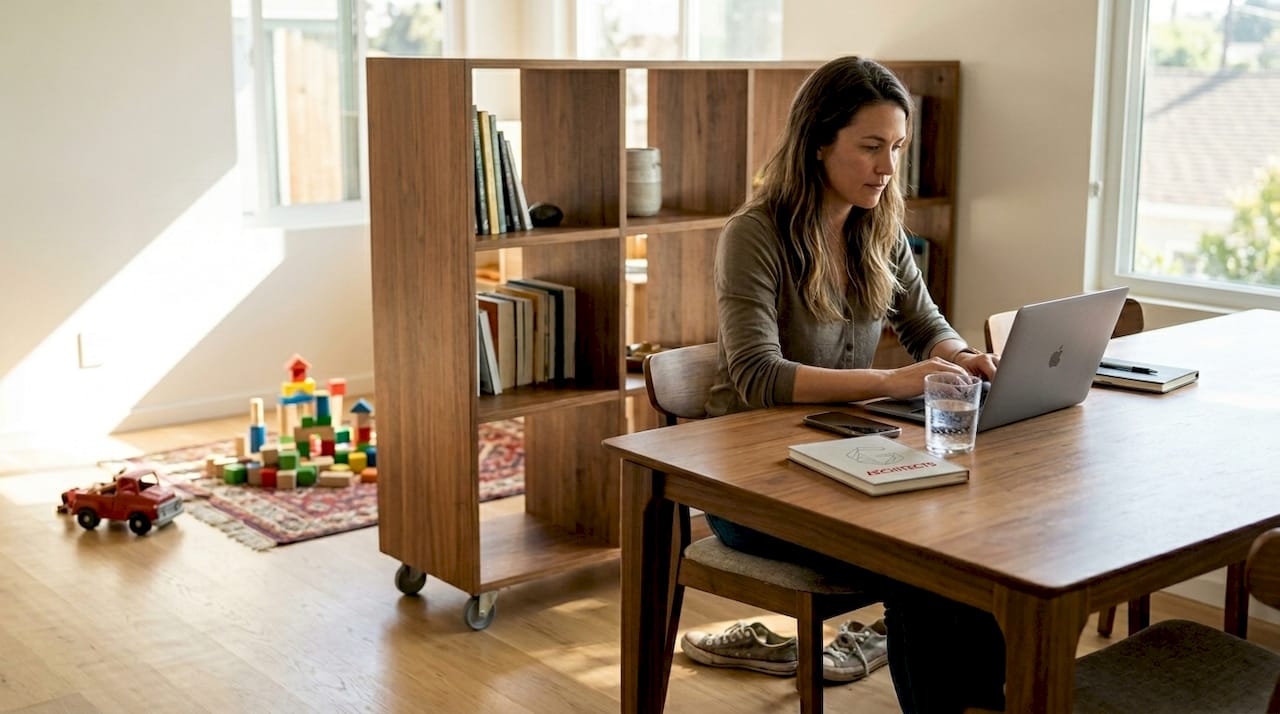
Statement lighting delivers quick wins. It's accessible for most budgets, visually impactful, and easy to implement without major construction. Smart home technology is most valuable when integrated early in a renovation, as retrofitting can add complexity and cost.
Looking at LA modern architecture tips can help you understand how other homeowners have sequenced upgrades to maximize both function and value over time.
Pro Tip: Start with upgrades that boost daily functionality and long-term resale value rather than pure visual impact. A beautifully lit, flexible space will serve you better than a dramatic feature wall that dates quickly.
Choosing what's right for your home and community
Knowing how trends compare objectively, now shift to personalizing your choices for your block, your family, and your future goals. Design decisions are rarely one-size-fits-all, and what works in a Pasadena craftsman bungalow may not translate well to a mid-century modern home in Los Feliz.
Use these questions to guide your decision process:
- What daily frustrations in my home could a design change actually solve?
- How long do I plan to stay in this home, and how might my needs change?
- What do neighbors and similar homes in my area look like, and how much deviation feels appropriate?
- Does this upgrade require permits, and have I consulted with a local architect or contractor?
- Will this design still feel relevant in ten years, or is it closely tied to a short-lived aesthetic moment?
Custom solutions help bridge individual taste with community cohesion and long-term property value. Working with a locally experienced architect or designer is especially valuable here. They understand what the planning department in your specific municipality expects, which community review processes might apply, and what finishes actually hold up in LA's sun and heat.
We also encourage homeowners to test ideas at a smaller scale when possible. Install a smart lighting system in one room before committing to the whole house. Try a flexible furniture arrangement before building out a fixed conversion. Get a neighbor's honest reaction before finalizing an outdoor design that changes your home's street presence.
"In Los Angeles, design is about blending what you love with what makes community life thrive."
Exploring choosing modern design for LA can give you additional perspective on how other homeowners have approached this personalization process with lasting results.
The hidden costs and surprises of chasing trends in Los Angeles
With the main trends and criteria explored, it's time for a candid look at what most design articles don't tell you. Based on our experience, many of the trends that generate the most social media buzz carry hidden costs that rarely appear in the initial pitch.
Permitting alone can add thousands of dollars and months of delay to projects involving structural changes, which indoor-outdoor integrations often require. Smart home systems can become outdated faster than expected as technology evolves. And some sustainable materials, while genuinely better for the environment, need more maintenance than conventional options.
The real wisdom is this: the most successful LA homes we've worked on are not the ones chasing the latest trend. They're the ones built around timeless function, climate responsiveness, and a genuine sense of sustainable community home lessons. Your home's greatest value, financial and personal, comes from how well it fits your life and contributes positively to your community. Design choices that serve both of those goals tend to outlast every trend cycle.
Ready to transform your LA home? Explore custom design plans
If you're inspired by these trends and ready to see them in action, professional design support makes all the difference. At FO+H Architects, we specialize in helping LA homeowners turn trend-aware thinking into thoughtfully built spaces that last.
Our modular ADU plans are designed specifically for Los Angeles lots and lifestyles, offering flexible configurations that align with the trends covered here. If you're curious about adding an accessory dwelling unit that reflects modern design values, explore our Blue ADU designs as a starting point. We'd love to help you find the right fit for your home, your budget, and your neighborhood.
Frequently asked questions
What is the most popular modern home trend in Los Angeles right now?
LA homes are increasingly built with indoor-outdoor integration and eco-friendly materials, making these the top design choices among LA homeowners in 2026.
Are ADUs a good investment for my LA property?
Accessory Dwelling Units (ADUs) can boost property value and provide flexible living space, especially in high-demand LA neighborhoods. ADUs support value and community living throughout Los Angeles.
What design upgrades offer the best resale value?
Sustainable home upgrades like energy-efficient windows and flexible open layouts consistently deliver strong resale value in LA homes.
How do I pick trends that fit my neighborhood style?
Choose updates that reflect local preferences and community character. Balancing personal taste with community fit enhances long-term satisfaction and property value.